What Sets an Artisan Pizza Restaurant Apart
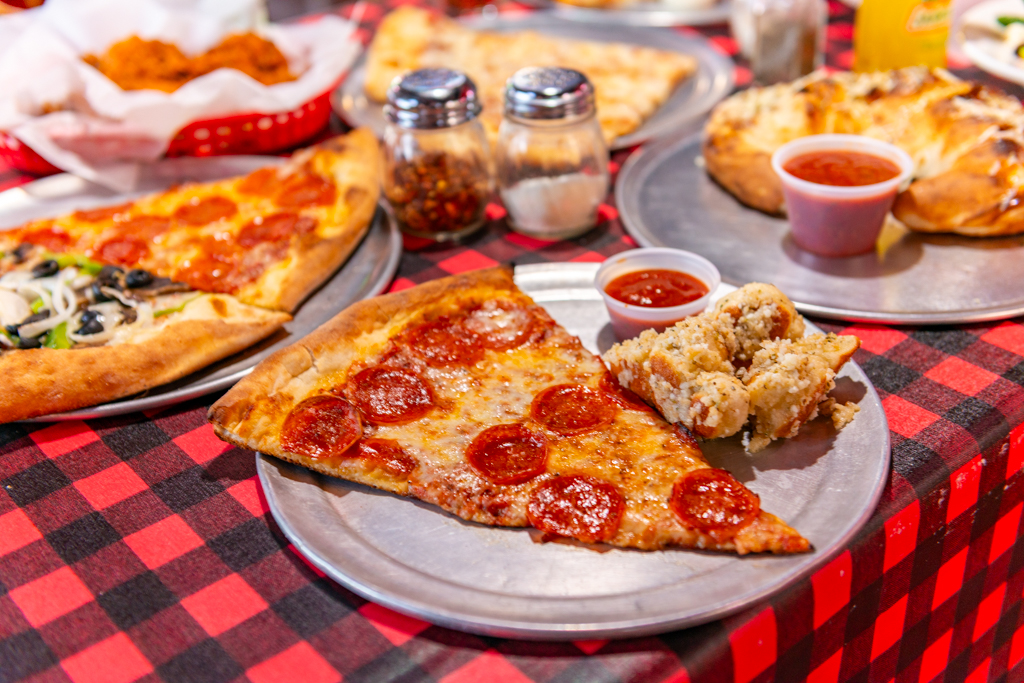

The phrase "artisan pizza" gets used so freely now that it can lose meaning. A menu prints a few Italian words, a dining room hangs Edison bulbs, and suddenly the place is positioned as a serious craft operation. Yet anyone who has spent time around great pizza knows the difference almost immediately. It shows up in the smell when the oven door opens, in the rim of the crust, in the restraint of the toppings, and in the confidence of a kitchen that understands what to leave alone.
A true artisan pizza restaurant is not defined by trend or decoration. It is defined by decisions, many of them small, repeated every day with care. The dough is not an afterthought. The oven is not just equipment. The tomato is not hidden under too much cheese. Staff can explain why one pie bakes for 90 seconds and another needs a little longer. Even the way the slice folds tells you something about the standards in the room.
That difference matters because pizza looks simple from the outside. Flour, water, yeast, tomatoes, cheese. Almost every weak version is made from the same broad ingredient list as a great one. What separates them is judgment. Artisan work lives in fermentation time, dough temperature, the mineral content of water, how aggressively the dough is handled, and whether the kitchen respects balance more than abundance. When those details are right, a pizza restaurant becomes memorable for reasons diners may not fully name, but they feel them.
It starts with dough, not toppings
The most reliable way to judge an artisan pizza restaurant is to pay attention to the crust before anything else. Toppings attract attention because they are visible and easy to market. Dough is quieter. It asks for patience, consistency, and technical skill. It also exposes weakness fast. A bland, tough, or heavy base cannot be rescued by imported salumi or expensive burrata.
Good dough is not merely a vehicle. It is the foundation of the eating experience. In a serious pizza kitchen, dough is developed with a clear style in mind. A Neapolitan pie calls for one kind of hydration, mixing, proofing, and bake. A Roman-style pizza al taglio demands another. A thin, crisp East Coast-inspired round relies on a different balance again. What matters is not loyalty to one tradition for its own sake, but clarity. An artisan operation knows what it is trying to produce and builds the process around that result.
Fermentation is often where the distinction becomes obvious. Fast dough can be serviceable, especially in a high-volume commercial setting, but it rarely has the flavor or digestibility of a well-fermented dough. Cold fermentation over 24 to 72 hours, sometimes longer depending on style, gives the crust more depth and character. It can create a subtle wheaty sweetness, gentle acidity, and a lighter interior structure. Diners often describe this as a pizza that feels satisfying without sitting heavily afterward. That response is not magic. It comes from time and control.
Handling matters just as much. You can watch a pizzaiolo stretch dough and learn a lot in thirty seconds. A trained hand protects the gas developed during fermentation. It presses with intention, leaves the rim alive, and avoids crushing the dough flat. Overworked dough bakes dense. Underdeveloped dough tears or puffs unevenly. In a serious pizza restaurant, the staff understand that a beautiful crust begins long before the pizza reaches the oven.
The oven shapes the identity of the pie
People often talk about "wood-fired" as if it automatically means quality. It does not. Wood can add aroma and visual appeal, but an oven is only as good as the person managing it. What sets an artisan pizza restaurant apart is not just the oven type, but the kitchen's command of heat.
A deck oven, a gas-assisted stone oven, an electric oven, or a traditional wood-fired dome can all produce excellent results when used properly. The crucial question is whether the oven suits the style and whether the staff know how to work with its hot spots, recovery time, floor temperature, and ceiling heat. Great pizza depends on that relationship. A beautifully fermented dough can be ruined by an oven floor that is too cool, causing a pale, dry bake. On the other side, excessive top heat can char the crust before the base sets.
In stronger kitchens, baking is active rather than passive. Pizzas are turned at the right moment, moved to cooler zones when needed, and watched closely instead of timed by habit. This is one reason artisan pizza often feels more alive than chain pizza. There is still room for human judgment during the bake. Two dough balls from the same batch can need slightly different handling depending on ambient humidity, how long they rested, or how busy the service has been. That variability is not a flaw. It is the nature of a craft product.
You can often see this expertise in the finished crust. The cornicione, if the style calls for one, should show expansion and charring without tasting burnt. The underside should have color and structure, not a floury rawness or a brittle crackle that suggests dehydration. The center should support the toppings while still feeling tender. That balance is difficult. An artisan kitchen treats it as the core of the job.
Ingredients matter, but curation matters more
High-quality ingredients are essential, but ingredient quality alone does not define an artisan pizza restaurant. Plenty of menus boast San Marzano tomatoes, fresh mozzarella, or house-made sausage. Those things can be excellent, but only if they are used with restraint and purpose.
The best pizza toppings work because they are in proportion. Too much sauce overwhelms the dough. Too much cheese traps steam and turns the center soupy. Too many premium toppings muddy the flavor and make the pie structurally weak. One of the clearest marks of an experienced pizza restaurant is the ability to stop before excess. A Margherita is a useful test here. It leaves nowhere to hide. If the tomatoes taste flat, the mozzarella sheds too much water, or the basil blackens in the oven, the shortcomings are exposed immediately.
Seasonality can be another strong indicator. An artisan kitchen tends to think like a cook, not just a purchaser. Maybe summer brings sweet corn with a restrained amount of nduja and scallion. Maybe late autumn means roasted squash, taleggio, and sage, handled carefully so the pie still tastes like pizza rather than a composed flatbread. These combinations require judgment. It is easy to design a pizza that sounds exciting on paper. It is much harder to make one that bakes evenly, eats cleanly, and still respects the crust.
There is also wisdom in simplicity. Some of the best pies in any respected pizza restaurant contain only three or four major components. That is not laziness. It is confidence. When the dough is flavorful and the oven work is sharp, fewer ingredients can create a more complete bite.
The menu reveals whether the kitchen has discipline
An artisan menu usually feels edited. That does not mean tiny or precious. It means intentional. When a pizza restaurant offers forty pizzas, six cuisines' worth of toppings, pasta, burgers, wings, and dessert calzones, it is often signaling breadth over depth. A craft-focused operation tends to narrow the field so it can execute with precision.
This is not a rigid rule. Some larger restaurants do manage broad menus well, especially if they have the staff, prep systems, and volume to support them. Still, in practice, the strongest artisan pizza restaurants often keep the menu tight enough to maintain standards. That allows the dough program to stay consistent, the mise en place to remain fresh, and the line to move with less chaos during peak hours.
A concise menu also lets the kitchen teach the customer what it values. If the house pie list includes a plain cheese, a Margherita, a white pie, a seasonal special, and a few signature combinations, that says something useful. It suggests the restaurant trusts its basics. It is not trying to distract diners with novelty alone.
There is another practical benefit. Limited menus tend to reduce ingredient fatigue. Greens stay brighter. Cheeses turn over more quickly. Cured meats do not linger. Dough forecasting becomes more accurate. These are unglamorous back-of-house realities, but they shape quality every night.
Service is part of the craft, even in a casual room
Pizza can be informal without being careless. In fact, some of the best artisan pizza restaurant experiences happen in relaxed spaces with paper menus, open kitchens, and sturdy water glasses. Professionalism here is less about ceremony and more about fluency.
Front-of-house staff in a strong pizza restaurant understand the product. They can explain the difference between a naturally leavened dough and a standard commercial yeast dough without sounding rehearsed. They know which pies travel well and which are best eaten immediately. They can steer a table away from ordering too many heavy toppings or help a guest understand why a true Neapolitan center may be softer than what they expect from an American slice shop.
That guidance matters because artisan pizza often comes with texture and timing that differ from mainstream expectations. A pie baked at very high heat may be at its peak for a shorter window. A delicate topping combination may lose integrity in a takeout box. A properly charred crust may worry a diner who equates any spotting with burning. Service bridges those gaps.
One of the most telling signs of maturity is how a restaurant handles these conversations without defensiveness. Not every guest arrives wanting a lesson. Good staff read the table. They offer context where it helps and let the food do the rest. That is craft applied to hospitality.
Consistency is where many places separate
Almost any kitchen can produce a beautiful pizza once. What sets an artisan pizza restaurant apart is the ability to do it on a rainy Tuesday, during a packed Saturday dinner rush, or when a new bag of flour behaves slightly differently than the last one.
Consistency in pizza is hard earned because the variables are relentless. Dough responds to room temperature, water temperature, flour age, and fermentation timing. Ovens fluctuate during service. Staff skill varies by station and shift. Even the moisture in fresh mozzarella can change the bake. Strong restaurants manage this through systems, but not rigid automation. They combine standards with observation.
A good dough program usually includes detailed controls for mixing temperature, fermentation windows, dough ball weights, and proofing conditions. It may also include small daily adjustments. On humid days, flour absorption shifts. In colder weather, fermentation may lag. The kitchens that care enough to adapt produce more reliable pizza than those that follow the same recipe blindly every day.
This is one reason artisan pizza can cost more than mass-market pizza. The labor behind consistency is substantial. Time, training, and waste reduction all play a role. If a dough batch is off, a disciplined restaurant may choose not to serve it rather than lowering the bar. That decision is expensive in the short term and invaluable in the long term.
Sourcing is important, but honesty is more important
Customers have become more ingredient-aware, and that is mostly a good thing. People ask where the flour comes from, whether the mozzarella is made in-house, and whether produce is local. A thoughtful pizza restaurant should be ready to answer those questions clearly. Still, honesty matters more than romance.
Not every artisan operation needs imported flour or tomatoes from one designated region to be legitimate. What matters is whether the ingredient choices suit the style and whether the restaurant speaks about them accurately. A local farm tomato at the height of summer can be extraordinary. So can a carefully selected canned tomato packed at peak ripeness. The problem begins when marketing language gets ahead of what is actually in the kitchen.
Guests can usually sense when a place is leaning too hard on story. Authentic craft tends to be quieter. It shows up in flavor, texture, and execution first. A restaurant may mention that its mozzarella is pulled fresh each morning, but if that cheese floods the center of every pizza, the story has outrun the result.
The most trustworthy artisan restaurants tend to describe their food with confidence and specificity, not exaggeration. They know that the pie itself is the proof.
The room has a point of view
Atmosphere is not the main event, but it matters more than some chefs admit. An artisan pizza restaurant often has a point of view that extends beyond the plate. That can mean a visible dough station, a thoughtful bar program, durable materials that age well, or acoustics that let people talk without shouting. None of this needs to be luxurious. It does need to feel considered.
A dining room built around pizza should support the way pizza is best enjoyed. Tables need enough space for sharing. Plates and cutlery should match the style, even if many guests eat by hand. Service flow should respect pace, since pizzas often come out one or two at a time rather than all at once. If takeout is a major part of the business, the pickup area should not disrupt seated guests or overwhelm the kitchen.
Even box design says something. A well-vented box can preserve crust texture far better than a cheap one that traps steam. That detail may not seem glamorous, but it affects the guest's final impression. Artisan standards extend into these practical corners.
Price alone does not define quality
There is a temptation to assume that expensive pizza must be better pizza. Sometimes it is, especially when ingredient costs, labor, and rent https://maps.app.goo.gl/ntzwCaPe4fpT5h2h7 are high. But price is not the clearest marker. Value is.
A strong artisan pizza restaurant charges in line with what it delivers. If the dough is fermented for days, toppings are carefully sourced, staff are trained, and the oven work is excellent, a higher price can make complete sense. At the same time, a modest neighborhood pizza restaurant can be deeply artisanal if it gets the fundamentals right and serves a focused menu without luxury add-ons.
What matters is alignment between claim and experience. A restaurant asking premium prices should deliver precision, consistency, and hospitality to match. If the crust is bland, the center is wet, and the toppings are scattered carelessly, no amount of imported cheese can justify the bill.
Diners tend to recognize this instinctively. They may not articulate the fermentation schedule or baking curve, but they know when a pie feels crafted rather than assembled.
How to spot the difference as a guest
If you want to tell whether a pizza restaurant truly operates with an artisan mindset, there are a few reliable clues. Look at the plain pies before the loaded signatures. Watch how the crust develops. Notice whether the toppings support or smother the base. Pay attention to whether staff can answer simple questions with confidence. Most of all, consider whether the pizza tastes integrated, as if every element belongs to the same idea.
Here are a few signs worth noticing when you visit:
- The dough has flavor on its own, not just texture.
- The bake shows control, with color and structure rather than random charring.
- The toppings are balanced enough that the crust remains central.
- The menu feels edited, with a clear point of view.
- The experience, from service to packaging, reflects care beyond the plate.
No single sign proves everything. A restaurant can have a beautiful oven and weak dough, or excellent ingredients and poor pacing. But taken together, these details reveal whether the place treats pizza as a craft.
Why the distinction keeps mattering
Pizza is one of the most democratic foods in the restaurant business. It can be quick, affordable, celebratory, nostalgic, and technically demanding all at once. That range is part of its appeal. Not every pizza restaurant needs to be artisanal, and not every diner wants an extended conversation about hydration percentage. There is room for many styles and many business models.
Even so, the artisan standard remains valuable because it protects the idea that simple food deserves serious attention. It reminds both cooks and customers that excellence often hides in ordinary things. Flour and tomatoes can be handled with as much intelligence as any tasting menu ingredient. A neighborhood pie can reflect just as much discipline as a fine dining dish.
When an artisan pizza restaurant gets it right, the result feels effortless, though it never is. The crust has life. The sauce tastes clean. The cheese melts into the pie instead of sitting on top of it. The room hums. Plates empty fast. People order one more pizza than they planned because the food feels lighter, sharper, and more complete than expected.
That is what sets the category apart. Not trend. Not branding. Not a wood stack by the front door. Craft, expressed through repetition, restraint, and deep familiarity with a deceptively simple dish. A great artisan pizza restaurant makes that discipline visible in every pie it sends out.